Almost anything that is expensive to buy and only needed now and then can be rented out. The question is not whether something can be rented, but whether it suits you: your budget, your storage space, your time and your area. Below are 25 rental business ideas in six groups, with who rents each one, roughly how much you need to invest and what to watch out for. After that you read how to choose.
In short
- Good rental products are expensive to buy, only needed now and then and built to last.
- Party and event rental runs on weekends and seasons; tools, tech and transport run all year.
- Besides the purchase price, look at storage, maintenance, delivery and insurance: they decide whether you make a profit.
- Start with one product group you know and test demand before buying a lot of stock.
Contents
What makes a good rental product?
A product rents out well when it meets three conditions:
- Expensive to buy. The higher the purchase price for the customer, the more attractive renting is.
- Needed now and then. One party a year, one job a season, one holiday a summer.
- Built to last. The product survives dozens of rentals without many repairs.
On top of that counts what renting costs you: storage, cleaning, delivery, maintenance and insurance. A product with a high day rate but lots of transport can earn less than a small product you send by post.
| Investment | What it means |
|---|---|
| Low | You can start with a few hundred to a few thousand euros and a garage or shed |
| Medium | A few thousand to tens of thousands of euros, a trailer or van and fixed storage |
| High | Tens of thousands of euros or more, often with permits, inspections or your own premises |
Parties and events (6 ideas)
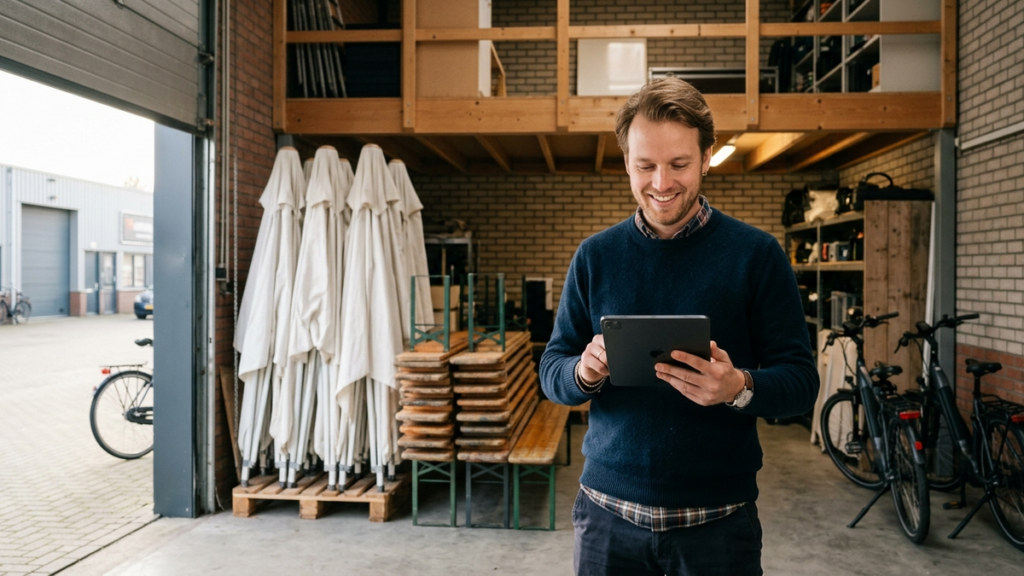
- Party tents. Rented for garden parties, weddings and clubs. Medium investment. Almost always delivered and set up, and dried after every rental.
- Bouncy castles. Popular with children’s parties, schools and street parties. Medium investment. Watch safety requirements, inspections and insurance.
- Silent disco sets. For parties, company outings and schools. Low to medium investment. Compact, easy to ship and many repeat customers.
- Photo booths. For weddings, anniversaries and corporate events. Medium investment. High revenue per booking, often with set-up and an attendant.
- Bar tables, chairs and decoration. For parties and events. Low investment. Combines well with tents; volume and storage are the challenge.
- Sound and lighting. Speakers, microphones and lights for parties and presentations. Low to medium investment. Customers want instructions; a short guide saves phone calls.
Sport and outdoors (4 ideas)
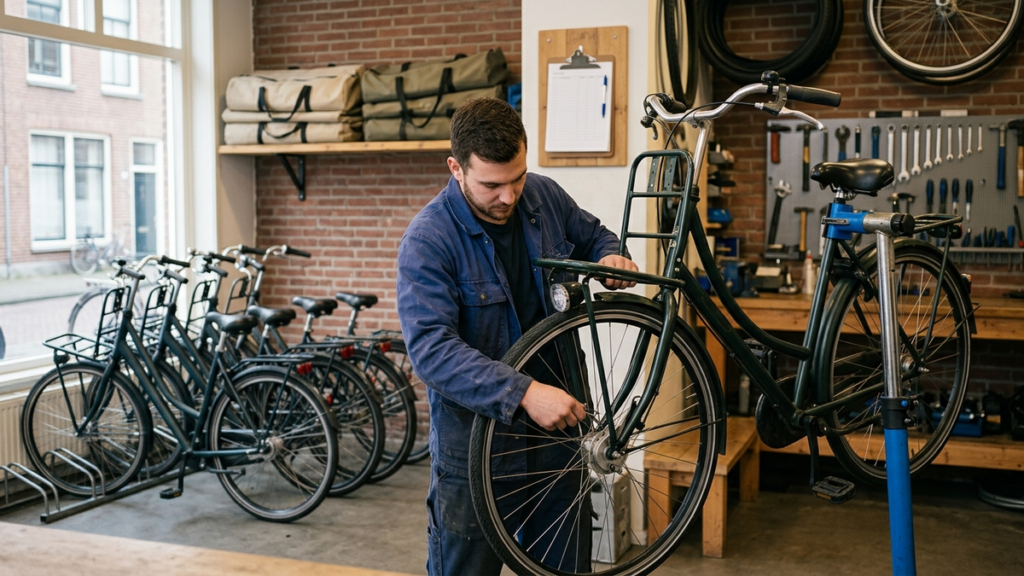
- Bikes and e-bikes. For tourists, business guests and locals. Medium investment. Rented per half day or day, with daily maintenance.
- SUPs and canoes. For day trippers and groups. Low to medium investment. Seasonal and weather dependent; a spot by the water makes the difference.
- Camping gear. Tents, sleeping bags and cooking sets for people who do not want to buy. Low investment. Easy to ship; cleaning and drying take time.
- Fitness equipment. Treadmills, exercise bikes and rowing machines for home use. Medium investment. Longer rental periods of weeks or months, with delivery.
Tools and DIY (4 ideas)
- Power tools. Drills, sanders and tile cutters for DIYers. Low to medium investment. Many short bookings; instructions and safety matter.
- Garden machines. Scarifiers, shredders and hedge trimmers. Medium investment. Strongly seasonal in spring and autumn.
- Scaffolding and ladders. For painting and roofing jobs. Medium investment. Needs transport and clear agreements on set-up and safety.
- Cleaning machines. Carpet cleaners, pressure washers and steam cleaners. Low investment. Easy to rent out; clean and check after every rental.
Tech and media (4 ideas)
- Cameras and lenses. For photographers, filmmakers and holidays. Medium investment. High value per item, so deposits and ID checks matter.
- Drones. For filming and inspections. Medium investment. Watch the drone rules and insurance.
- Projectors and screens. For presentations, movie nights and events. Low investment. Often rented together with sound.
- Game consoles and VR sets. For parties and company outings. Low investment. Fragile; check after every rental that everything is complete.
Transport and storage (4 ideas)
- Trailers. For moving house, garden waste and big purchases. Medium investment. Demand all year; sort registration, insurance and maintenance.
- Cargo bikes. For families who want to try before they buy, and for tourists. Medium investment. Maintenance as with regular bikes.
- Vans. For moving house and small businesses. High investment. Stricter rules on insurance and driving licences, but steady demand.
- Storage space. Units or containers per month. High investment if you buy the space, low if you already have it. Little work per customer.
Clothing, children and spaces (3 ideas)
- Clothing and costumes. Fancy dress, formal wear and theme costumes. Low investment. Sizes and washing define your process.
- Baby gear. Prams, car seats and travel cots for holidays and visiting family. Low investment. Hygiene and safety checks are essential.
- Spaces. Meeting rooms, studios or desks per half day. High investment if you have to rent or buy, low if you have space to spare.
How do you choose the right rental idea?
- Start with what you know. If you know how a product works and breaks, you can help customers and do maintenance yourself.
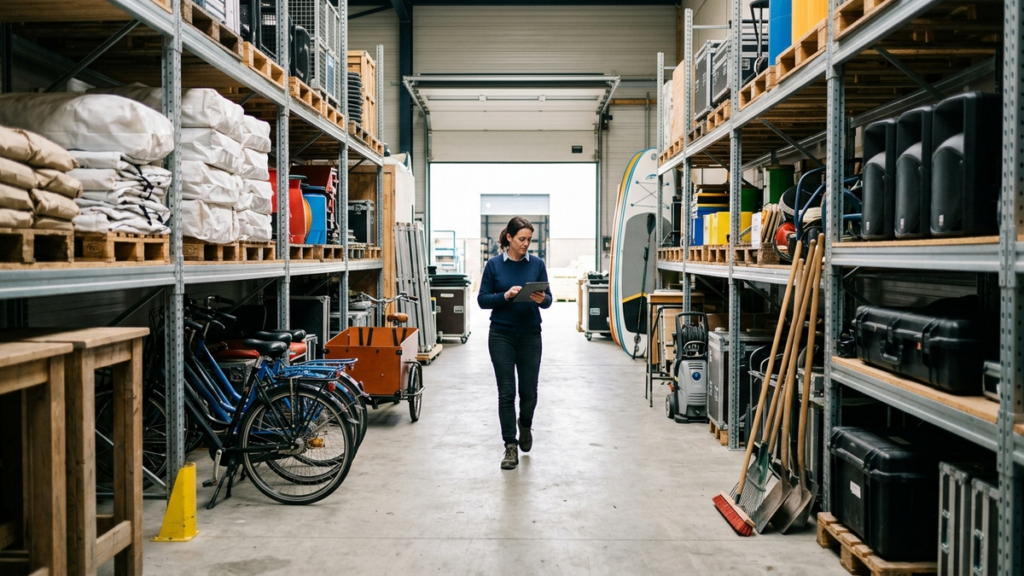
- Look at your space. Ten party tents need a warehouse; ten cameras fit in a cupboard.
- Count delivery in. If you deliver and set up yourself, your diary decides how many bookings you can handle.
- Test demand. Put one product online with a price and a book button before buying a lot. See the guide to starting a rental business for a worked example and step-by-step plan.
- Combine smartly. Tents with bar tables, sound with lights, bikes with child seats: extras raise revenue per booking.
Checklist: choosing a rental idea
- The product is expensive to buy and only needed now and then
- You know the product and can maintain it yourself
- You have storage space for all your stock
- You know how it reaches the customer: pick-up, delivery or shipping
- Insurance, inspections and rules are sorted
- You tested demand with one product online
- There are accessories or combinations that raise revenue
Frequently asked questions about rental business ideas
What can you rent out?
Almost anything that is expensive to buy and only needed now and then: from party tents, bouncy castles and photo booths to tools, cameras, bikes, trailers and storage space.
What is the most profitable thing to rent out?
That depends on your utilisation and costs, not just the day rate. Products with a high price per booking and little transport, such as photo booths or cameras, often earn a lot per rental. Products in demand all year, such as trailers and tools, give steady income.
What can you rent out with little starting capital?
Silent disco sets, camping gear, cleaning machines, projectors and clothing need a low investment and fit in a garage or shed.
Can I run a rental business from home?
Yes, many rental businesses start in a garage or shed. Choose products that take little space or that you can send by post, and check your lease or local zoning rules.
Do I need a licence to rent out equipment?
For most products no, but you do need to register your business. Vehicles, bouncy castles and some machines come with extra rules on insurance or inspection.
How do I find my first customers?
With a Google Business Profile, one page per product, local Facebook groups and partnerships with venues, clubs and event organisers.
Pick one and start small
Put your first product online today and see whether bookings come in before you invest further.